
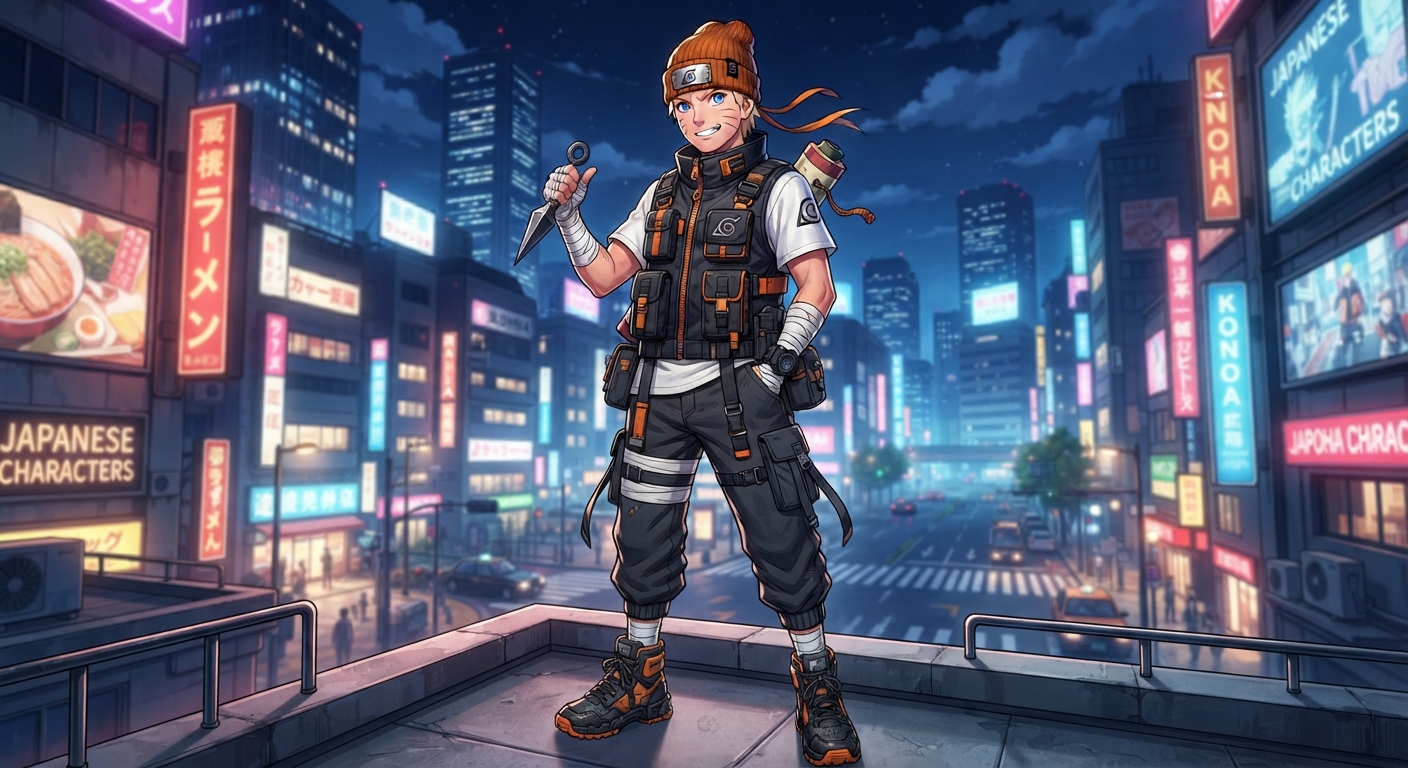
The Hidden Leaf Meets the Concrete Jungle
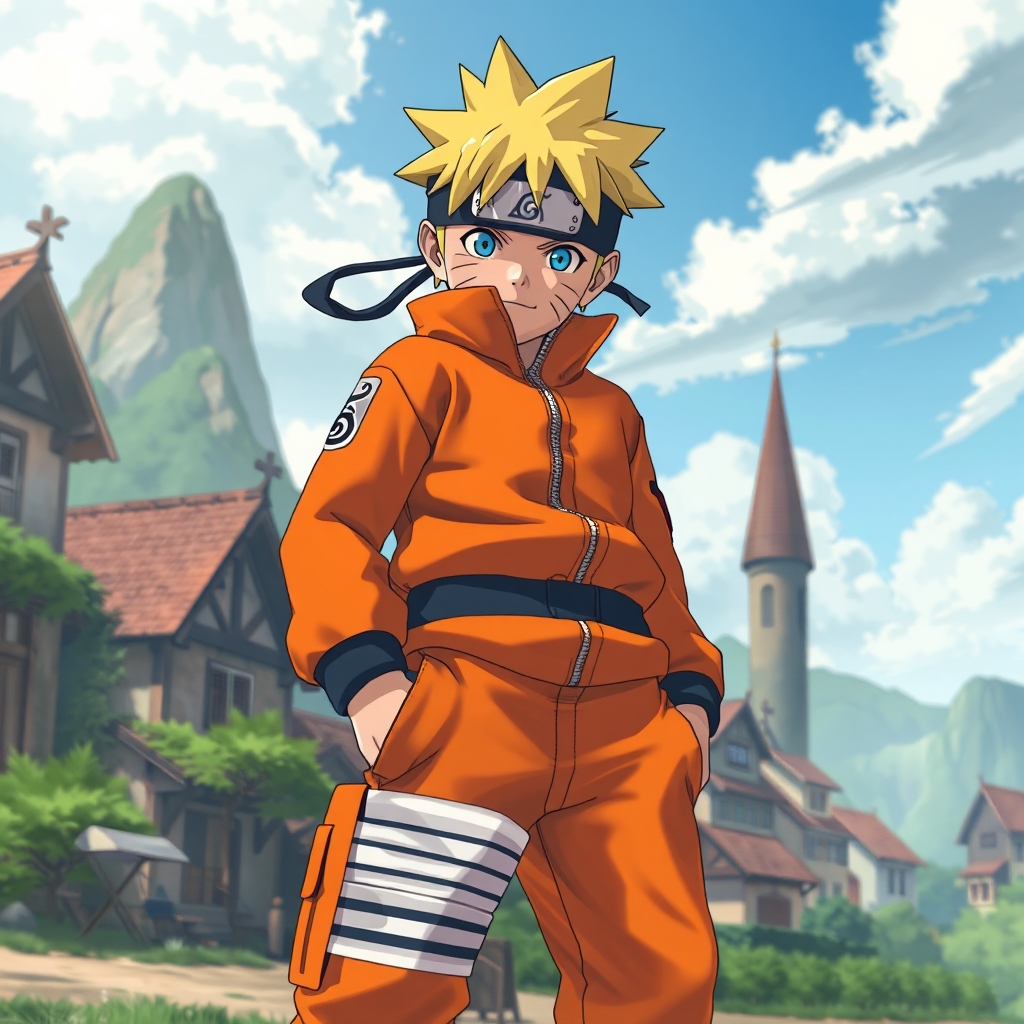
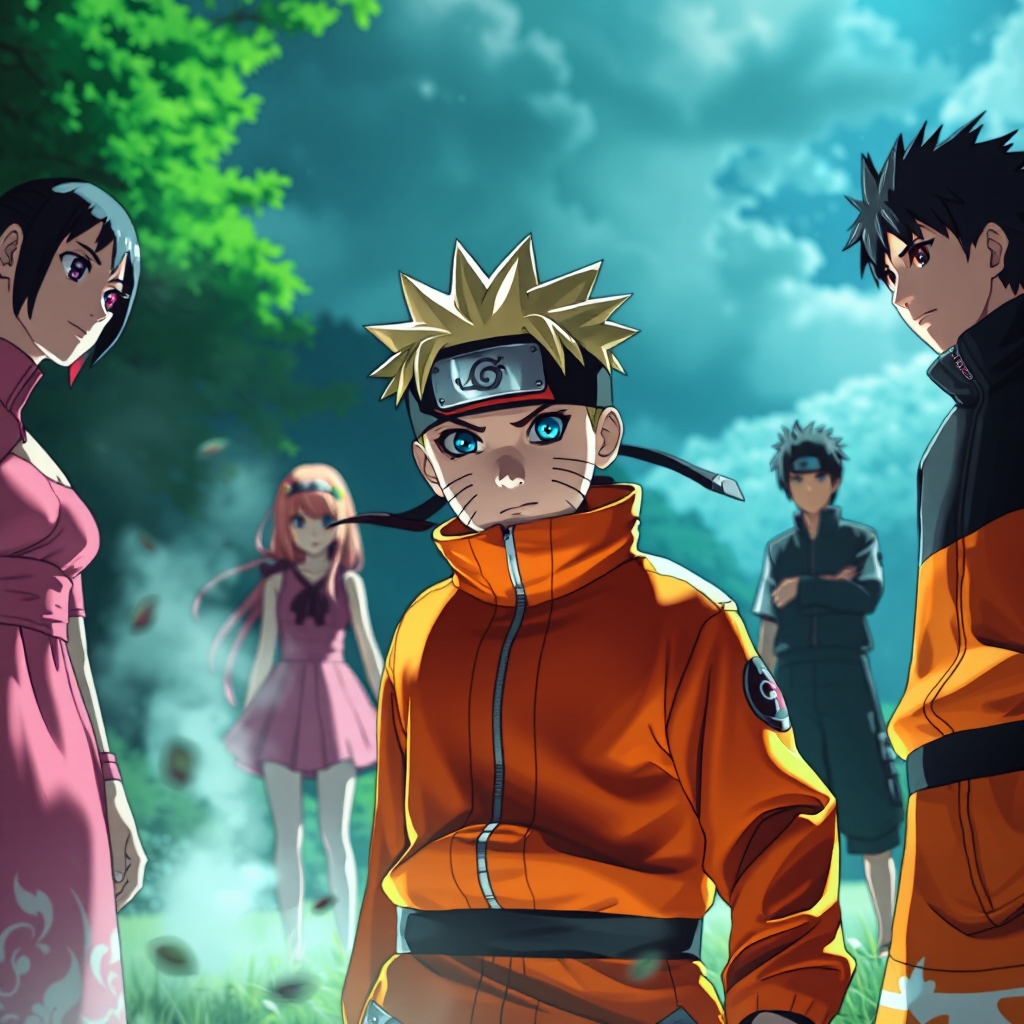
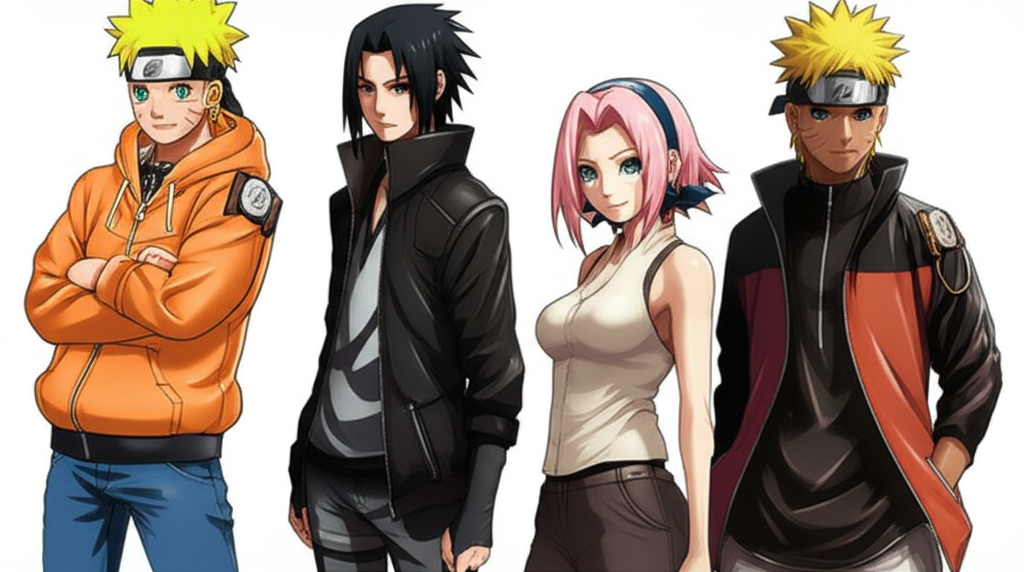
Naruto Uzumaki’s journey from hyperactive genin to Hokage is well documented, but his wardrobe evolution tells a parallel story—one of practicality, rebellion, and eventual mastery. The classic orange tracksuit was never just a uniform; it was a statement of refusal to conform. That same spirit now translates effortlessly into modern streetwear, where oversized silhouettes, utility belts, and layered textures replace the traditional flak jacket. The key isn’t cosplay. It’s about extracting the *mentality* of the shinobi and applying it to everyday fits. Think: movement first, aesthetics second, but never at the cost of swagger.
Function as the Ultimate Flex
The original shinobi attire was designed for combat efficiency. Pockets held kunai, straps secured scrolls, and sleeves allowed for unrestricted arm movement. Today’s streetwear remix retains that utilitarian core but refines it for urban survival. Cargo pants with multiple compartments, tactical vests that are actually lightweight mesh, and harnesses that mimic weapon holsters—these pieces serve a dual purpose. They look aggressive, but they also hold your phone, wallet, and headphones without bulging awkwardly.
Consider the modern take on the flak jacket. Designers have replaced the bulky armored look with slim, breathable vests that feature asymmetric zippers and detachable straps. Paired with a simple white tee and wide-leg pants, it gives off the same “ready for anything” energy as Naruto leaping into battle—just without the actual risk of a Rasengan to the face. The trick is to balance the technical pieces with everyday basics, so the outfit feels intentional, not costumed.
The Orange Principle: Accent, Not Overload
Naruto’s signature orange is loud, unapologetic, and deeply tied to his identity. In streetwear, the same color can be used wisely—not as a full-body suit, but as a calculated accent. A burnt orange beanie, a pair of orange-tinted sunglasses, or even a graphic tee with a subtle spiral motif referencing the Uzumaki crest. The goal is to nod to the source material without screaming it.
Fashion-forward shinobi know that color blocking is their jutsu. Pair a muted olive or black base with one vibrant piece—maybe a hoodie with orange drawstrings, or a pair of socks that peek out from cropped pants. This approach mirrors Naruto’s own growth: he never stops being bright, but he learns when to channel that brightness strategically. In streetwear, that translates to confidence. You don’t need the whole outfit to shout; one well-placed signal is enough.
Layering Like a Tactical Sage
The most overlooked aspect of shinobi fashion is layering. Ninjas rarely wore a single layer because the environment dictated adaptability—cold nights in the Forest of Death, humid missions near the Hidden Mist. Streetwear solves this with modular layering. Start with a moisture-wicking base layer (think of it as your mesh armor), add a mid-layer like a fleece or flannel, and finish with an outer shell that’s windproof but not heavy. This system allows you to shed or add layers as the day cycles from morning commute to late-night ramen run.
The Modern “Hitai-ate” Substitute
The forehead protector was more than a badge; it was a symbol of allegiance and sacrifice. In streetwear, the closest equivalent is the beanie, bucket hat, or even a technical headwrap. These accessories anchor the outfit and give it a focal point. But you can go further. A chain with a metal pendant shaped like a leaf village symbol, or a ring that mimics the spiral on the Uzumaki crest—these subtle details speak to those in the know without alienating everyone else.
The key is to avoid literal reproductions. Wearing an actual Konoha headband with streetwear can easily slide into cosplay territory. Instead, reinterpret the *idea*. A black beanie with a small embroidered leaf in the corner, or a utility belt with a pouch that looks like it could hold a scroll. It’s about capturing the essence, not replicating the artifact.
Footwear: The Unsung Shinobi Tool
Naruto famously wore sandals, which are both impractical and questionable for urban terrain. The streetwear remix demands better. Sneakers are the obvious choice, but the *type* matters. Chunky, trail-inspired sneakers with aggressive treads echo the grip needed for tree-jumping and wall-running. They also pair surprisingly well with tapered cargo pants or even shorts. High-top options provide ankle support, which any shinobi would appreciate. Colors should stay neutral—black, white, earth tones—unless you’re going for the orange accent rule, in which case a single colored swoosh or lace set works.
Deconstructing the Hokage Silhouette
As Naruto ages into his role as leader, his wardrobe subtly matures. He trades the bright orange for darker tones, but the core remains. This progression is mirrored in the “Hokage fit”—a more refined take on streetwear that favors tailored but comfortable pieces. Think overshirts with hidden snap buttons, pleated trousers with elastic cuffs, and longline coats with interior straps. Nothing is baggy for the sake of being baggy; everything has a purpose.
Mixing Heritage Fabrics with Tech Leather
The shinobi world is ancient, full of scrolls and hand signs. Modern streetwear blends that heritage with futuristic materials. A kimono-style jacket in technical nylon, or a haori-inspired overcoat with reflective strips—these pieces bridge the gap between old and new. They feel traditional but function like performance wear. Pair them with modern denim and a simple crewneck, and you’ve created a look that respects the past while stomping into the future.
For the daring, consider a sash or obi belt worn over a hoodie. This unconventional choice adds a waistline to an otherwise boxy silhouette, creating visual interest. It’s a formal nod to the shinobi’s belt and holster system, but executed with the relaxed attitude of streetwear.
The Duality of Soft and Hard
Naruto’s personality is pure softness wrapped in determination. His fighting style combines reckless charges with sudden flashes of strategy. Translating that into fabric means mixing soft, comfortable materials with structured, sharp ones. A fleece half-zip paired with rigid carpenter pants. A silk scarf under a denim jacket. This push and pull keeps the outfit dynamic and prevents it from feeling one-note.
The “Sage Mode” Palette
When Naruto taps into Sage Mode, his eyes change and his movements become precise. The fashion equivalent is a monochromatic fit—head to toe in one color, but with varied textures to keep it from looking flat. An all-black outfit works, but add a waffle-knit long-sleeve under a matte bomber, and then layer a subtle chain. The visual interest comes from the interplay of light and shadow across different fabrics. This is the outfit for someone who doesn’t need to announce themselves; their presence is enough.
Accessories That Hit Different
Every shinobi carries a scroll. In streetwear, the scroll becomes a crossbody bag or a cylindrical case slung across the chest. This functional accessory has risen in popularity, and it fits perfectly with the ninja aesthetic. Choose one in weathered leather or technical ripstop, and you’ve got a piece that’s both practical and evocative. Add a few key rings or small carabiners—purely decorative, but they hint at the utility gear of a field operative.
Gloves are another underrated element. Fingerless gloves in mesh or leather are direct callbacks to the hand-seal casting technique. They also make your phone use slightly annoying, but style demands sacrifice. For colder days, full-finger gloves with touchscreen compatibility offer the same vibe without the inconvenience. The key is to keep them in a neutral tone or a muted color that doesn’t clash with the rest of the fit.
The Rogue Ninja Edge
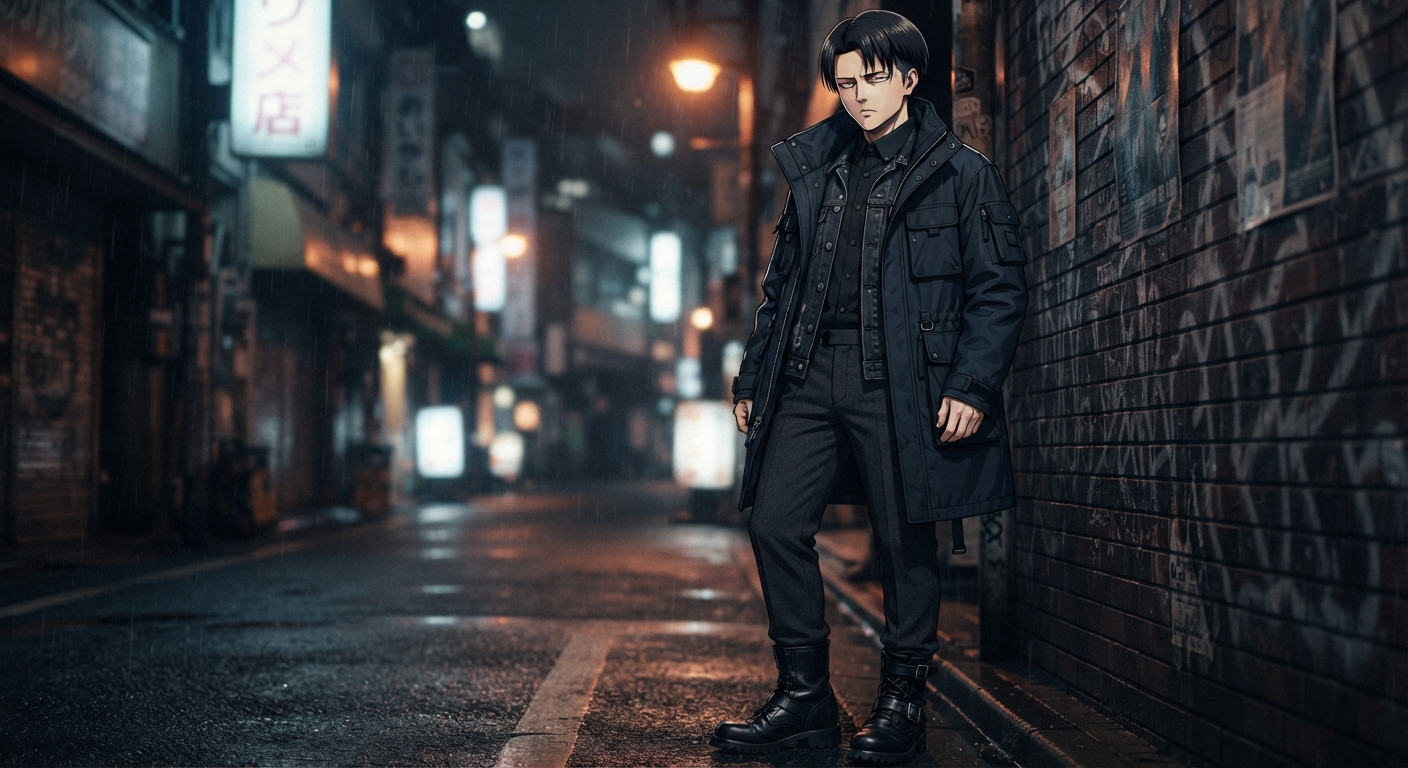
Not everyone wants to be Hokage. Some prefer the Sasuke or Itachi route—darker, sleeker, with a sense of mystery. This translates to more black, more high collars, and sharper lines. A long coat with asymmetric zippers, a turtleneck under a tech vest, and wide-leg pants in charcoal. The silhouette is lean, almost predatory. It’s the look of someone who operates from the shadows, even if they’re just grabbing coffee.
To pull this off, avoid heavy branding. Let the cut and construction speak. A simple monogram on the chest, a single strap across the back, or a hidden pocket design. The rogue ninja doesn’t advertise; they imply.
Final Transition Notes
The beauty of this fashion remix is that it respects the source material while pushing forward. You don’t need to be a Naruto superfan to appreciate a well-executed technical fit. The design language of shinobi—utility, layering, resilience, and a flash of individuality—resonates with anyone who values function and self-expression. So next time you assemble an outfit, ask yourself: What would Naruto wear? Then make it smarter, cleaner, and more urban. Because the leaf may be hidden, but style is always visible.
Latest Reviews